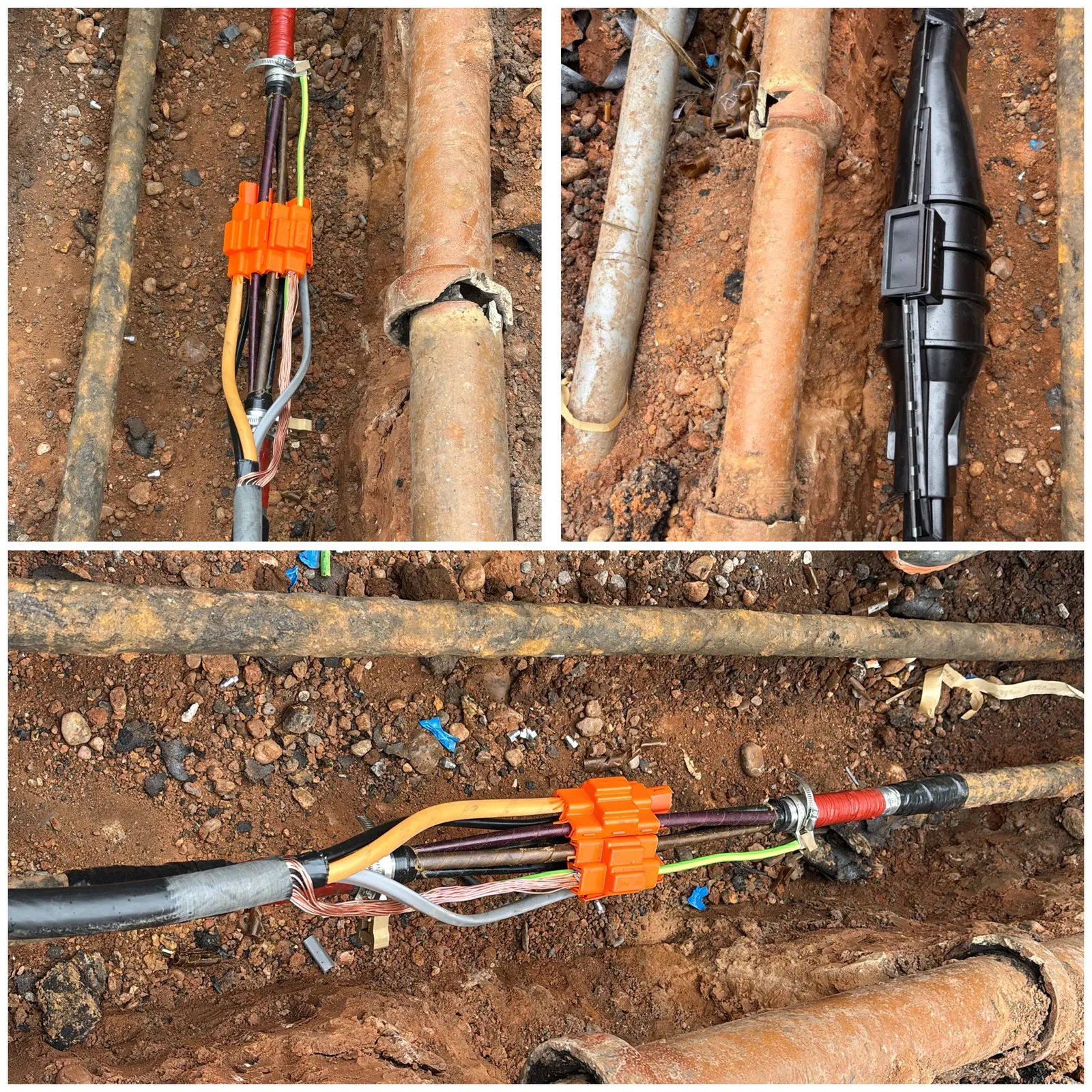
Routes and excavation
Preparing the physical path for electrical, water and gas infrastructure.
- Site enabling works
- Trenching and excavation
- Duct routes
- Utility crossings
- Workfront preparation and access
 TMRFJointing
Discuss a project
TMRFJointing
Discuss a project
Utility infrastructure
The groundworks, routes and structures that allow the utility installation to be delivered and the site to be returned to its agreed finish.
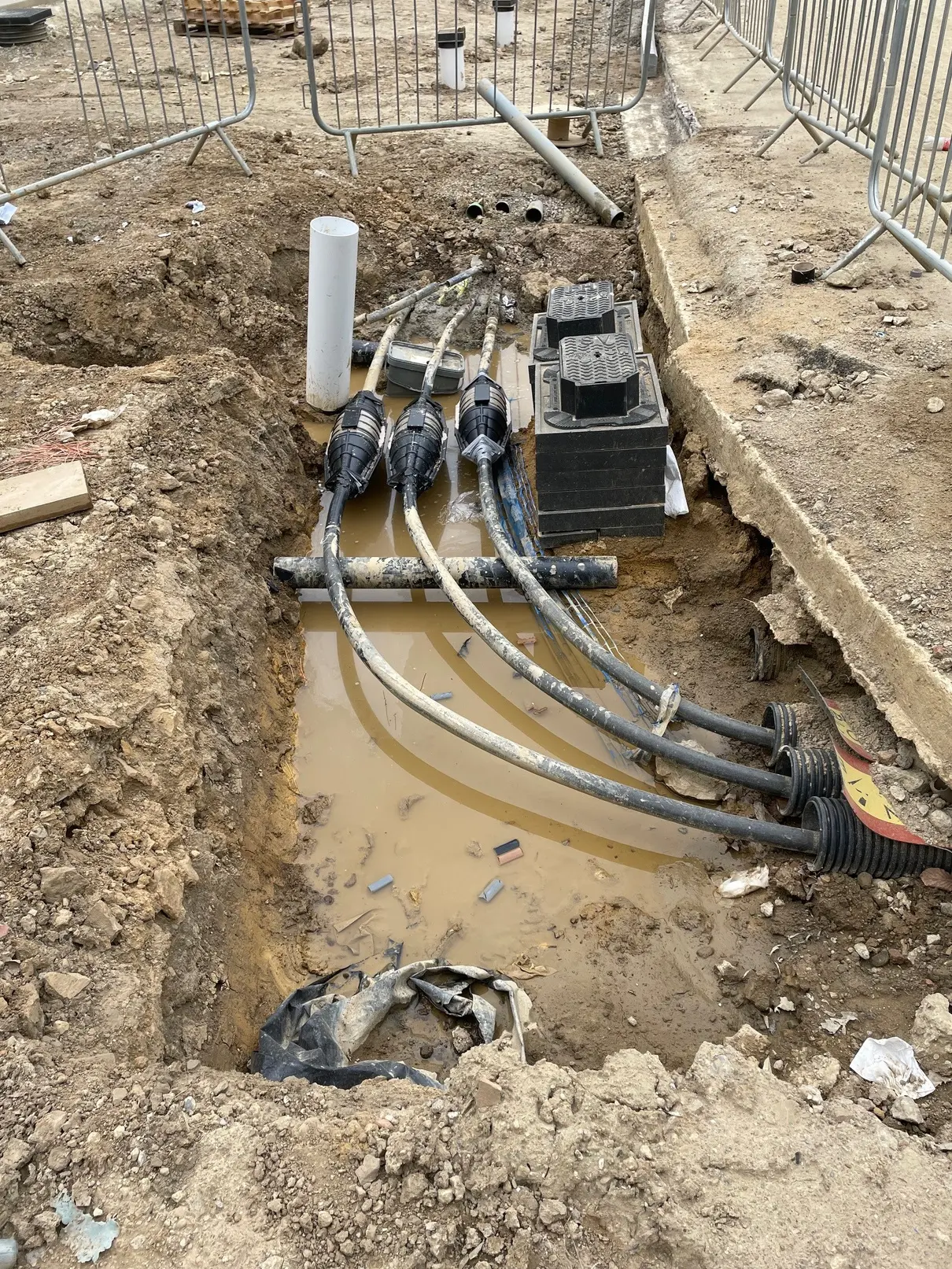
From excavation to reinstatement.
The capability
Utility civils must do more than expose the ground. The route, working space, depth, interfaces, protection and finished surface all affect whether the installation can proceed properly.
TMRF’s Civils provision is structured around the utility work that follows: preparing routes and workfronts, forming the required structures, supporting the installation and completing the reinstatement.
Detailed provision
Every project is agreed against its design, network, workfront and handover responsibilities.
Preparing the physical path for electrical, water and gas infrastructure.
Forming the structures required around cables, pipework and equipment.
Closing the route around the installed asset in line with the agreed construction detail.
Returning the work area to the specified permanent finish.
Project integration
The excavation, ducts, crossings and access requirements are aligned to the utility design and installation sequence.
Joint bays, chambers, bases and working areas are formed around the equipment and connection method.
Backfill, compaction and permanent reinstatement close the route after the utility work is accepted.
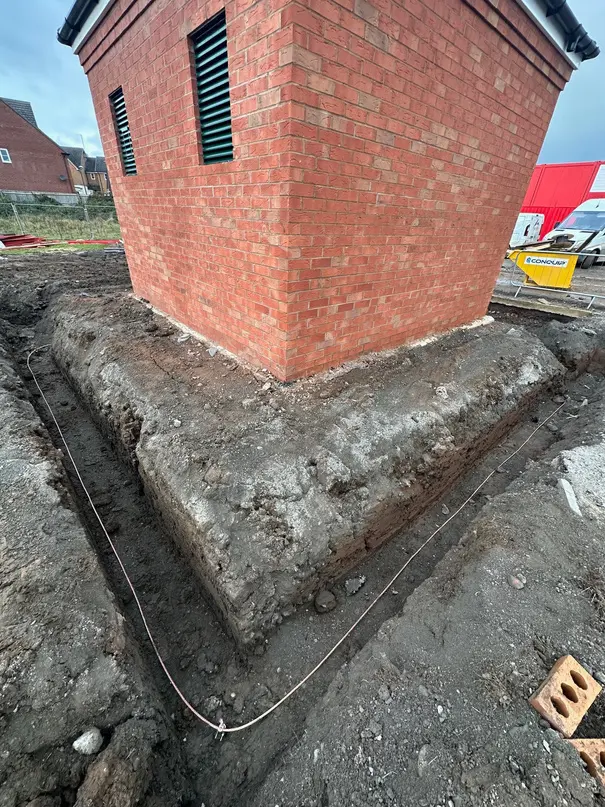
Close-out
The handover requirement is agreed for the specific package. Depending on the scope, it can include:
Straight answers
Yes. Reinstatement sits within the Civils provision and can include the agreed highway, footway, hardstanding or soft-surface finish.
Yes. Joint bays, cable routes, substation bases and equipment access can be planned around the electrical installation and jointing sequence.
Yes. Trenching, crossings, chambers, bases, backfill and reinstatement can be coordinated around the relevant utility design and installation method.
The delivery scope is built around the approved project information. Any design responsibility is defined specifically at enquiry stage rather than assumed.
Have a live scope?